
 Buy Crypto
- Markets
 Futures
- Spot
- Copy Trade
- Earn
- More
Fast as lightning is not enough, what is the EVM chain really pushing for?

Original Title: Battle of the EVM Chains: Who's Winning the Giga Gas War?
Original Author: yusufxzy, Delphi_Digital Researcher
Original Translation: Dynamic Duo Deep
Editor's Note: The current focus of EVM-compatible chains (such as Sonic, MegaETH, Monad, Sei, Fuel) has shifted from decentralization and security to raw performance and ecosystem strategy. Each chain is competing in the market through differentiated paths (such as developer incentives, extreme speed, ecosystem pre-building, technical optimization, or Layer 2 innovation), but the ultimate winner must establish an advantage across comprehensive dimensions such as speed, user experience, economic model, and ecosystem maturity, rather than relying solely on throughput.
The following is the original content (rearranged for easier reading comprehension):
The blockchain space has entered a new dimension of competition. The early battle between L1 and L2 focused on decentralization, composability, and security. Now the battlefield has shifted to the raw performance track. Multiple EVM-compatible chains including Sonic, MegaETH, Fuel, Monad, and Sei are competing to break through the once-considered impossible scalability peak. But is raw performance the deciding factor? This article analyzes the strategic differences of these chains.
Sonic: Linking Developer Rewards to Ecosystem Contribution
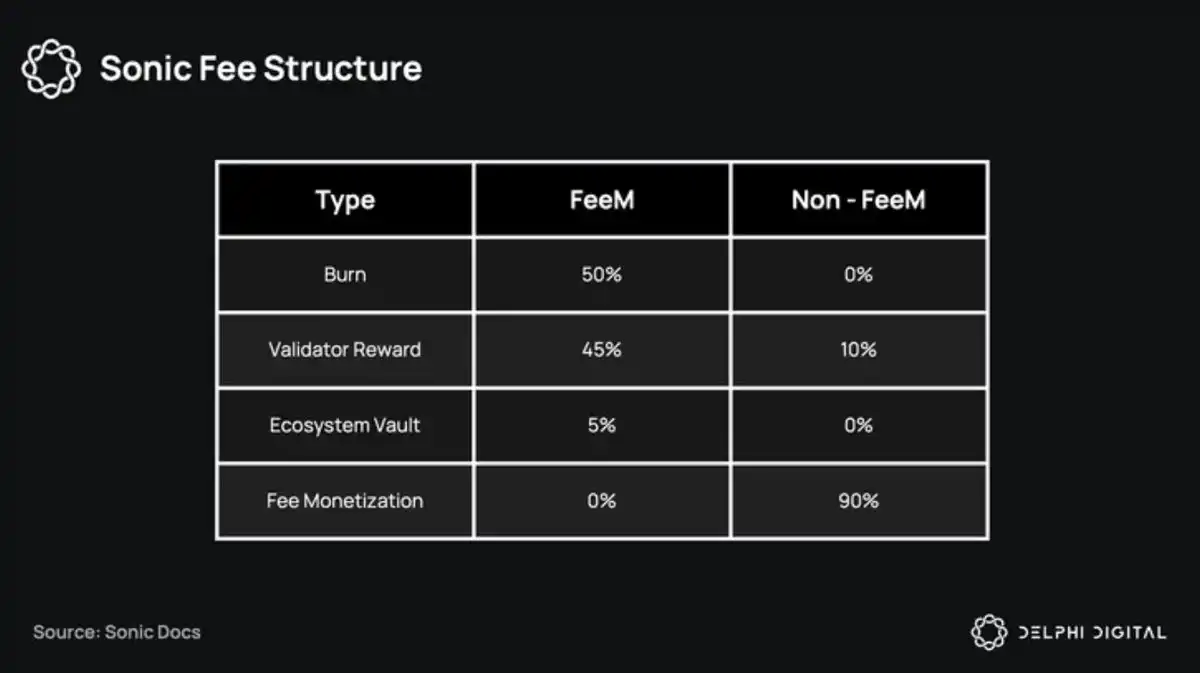
@SonicLabs (formerly Fantom) has completed a strategic transformation, and its core innovation, the "FeeM" mechanism, allocates 90% of transaction fees generated by applications to developers, with validators receiving only 10%.
This model has proven effective—ecosystem DEX project @ShadowOnSonic
has quickly risen to the Top 4 in weekly revenue rankings. Meanwhile, Sonic's dual incentives through DeFi app interactions and token airdrops have driven TVL to a historical high of $9.62 billion.
Competitive Advantage:
• Direct economic incentives linking to developer loyalty
• High-yield-driven application ecosystem stickiness
• Early adoption to validate the effectiveness of the metric verification model
Potential Challenge:
• Decentralization is still at a nascent stage (currently around 35-40 validator nodes)
• Continued development momentum is needed to eliminate the impact of Fantom's brand history
MegaETH: The Balancing Act of Ultimate Speed and User Experience
The @megaeth_labs testnet set a performance record of one gigagas per second with a 0.1 millisecond block time, leveraging its L2 architecture to achieve this breakthrough by abandoning the consensus mechanism.
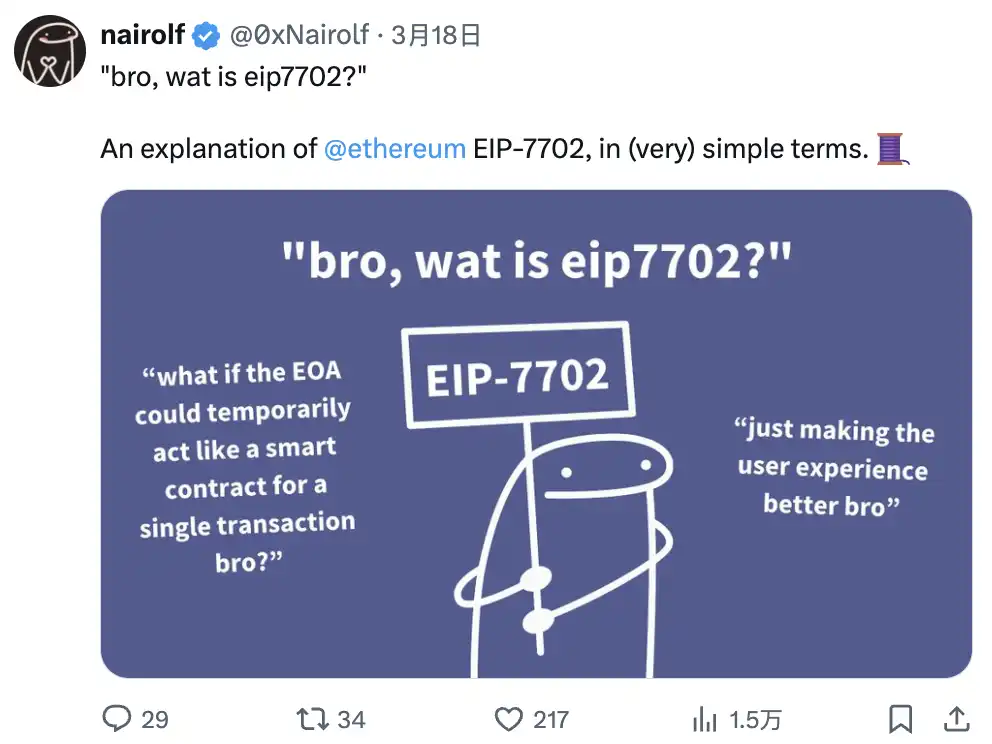
But the chain's ambition goes beyond data: it is the first to experimentally support EIP-7702, addressing a historical pain point since 2020 where users have lost over $300 million due to approval operations through innovations such as transaction batching and Gas abstraction.
In terms of community building, MegaETH, with a valuation of $2 million, completed a public sale in 10 minutes, raising $10 million, followed by an NFT fundraising round reaching a $6 million valuation, starkly in contrast to VC financing.
Competitive Advantages:
• Industry-leading testnet performance metrics
• First-mover advantage in UX innovation (EIP-7702)
• Community consensus achieved through fair token distribution
Potential Challenges:
• Dependency on the EigenDA data availability layer
• Aggressive performance targets awaiting real-world validation
Monad: Building an Ecosystem Before Going Live
Although the @monad_xyz mainnet has not yet launched, it has already built a complete infrastructure matrix: on the first day, it integrated with the Phantom wallet, attracted top DeFi protocols like Uniswap/Balancer, and integrated cross-chain solutions like LayerZero.
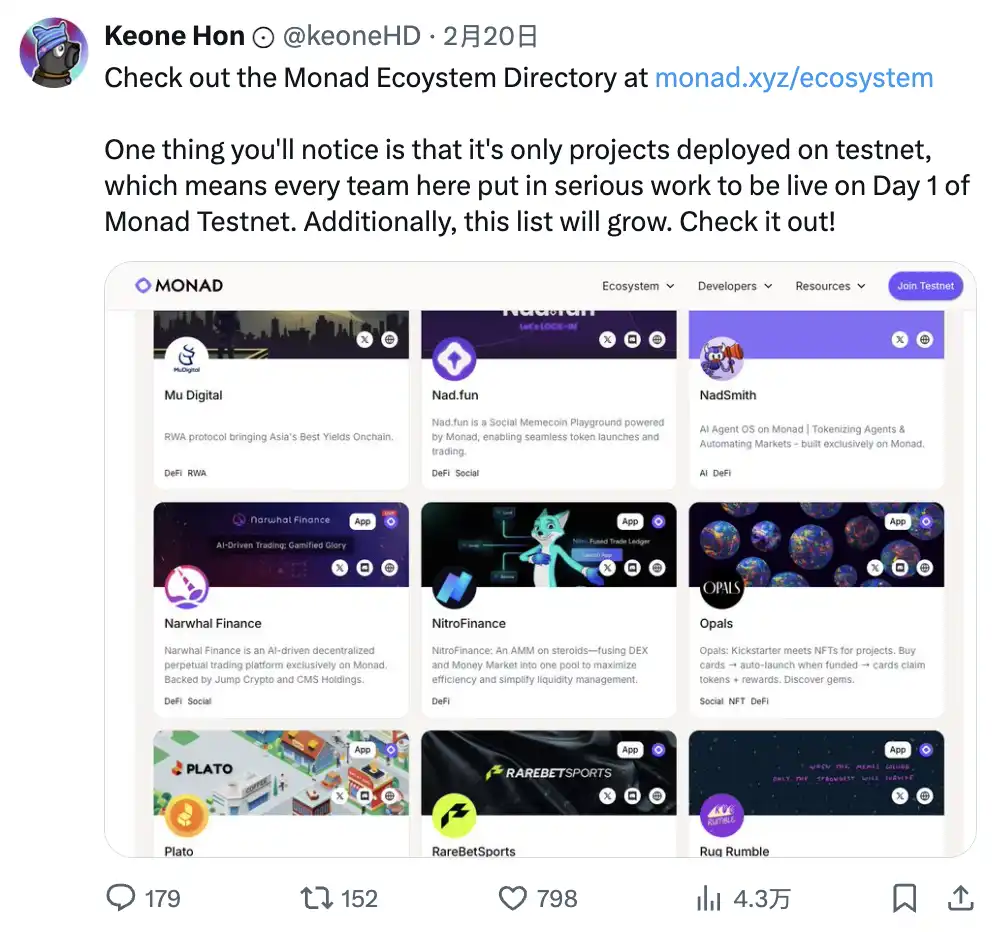
This "plug-and-play" strategy can be seen as a force multiplier in today's crowded blockchain space.
Competitive Advantages:
• Ready-to-use ecosystem infrastructure
• Launch-ready with high liquidity channels
Key Challenge:
• Need to transform early momentum into sustained growth
Sei: The Disruptive Challenge of Tech Prodigies
@SeiNetwork has achieved an internal scalability breakthrough through deep optimization of the consensus and storage layers, along with injecting funding into early developers. However, the current ecosystem still lacks flagship applications, struggles with user adoption and faces competition gaps, as its technical advantages have yet to translate into market influence.
Competitive Advantage:
• Proven scalability technology architecture
• Specialized grant programs for builders
Key Challenge:
• Low actual adoption rates
• Urgent need to create a phenomenon-level application
Fuel: Breaking Free from Ethereum's DA Shackles
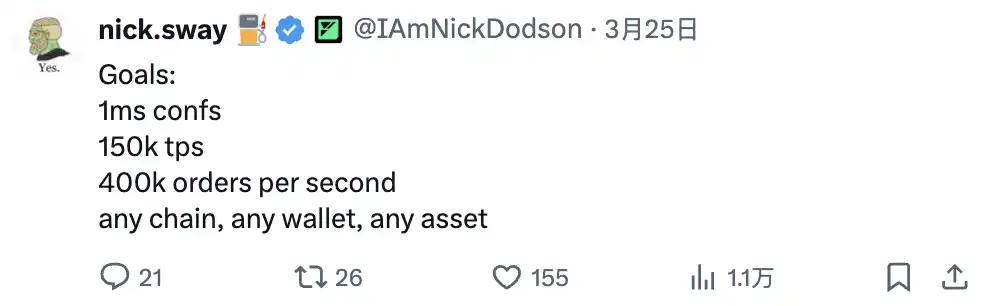
@fuel_network's upcoming "Redacted" L2 adopts an alternative DA solution, aiming to achieve a throughput of 150,000 TPS, marking a strategic shift from Ethereum compatibility to performance prioritization. Its vision of 1-millisecond confirmations and 400,000 orders per second will redefine the performance benchmark for public chains.
Endgame Perspective: The Value War Beyond Throughput
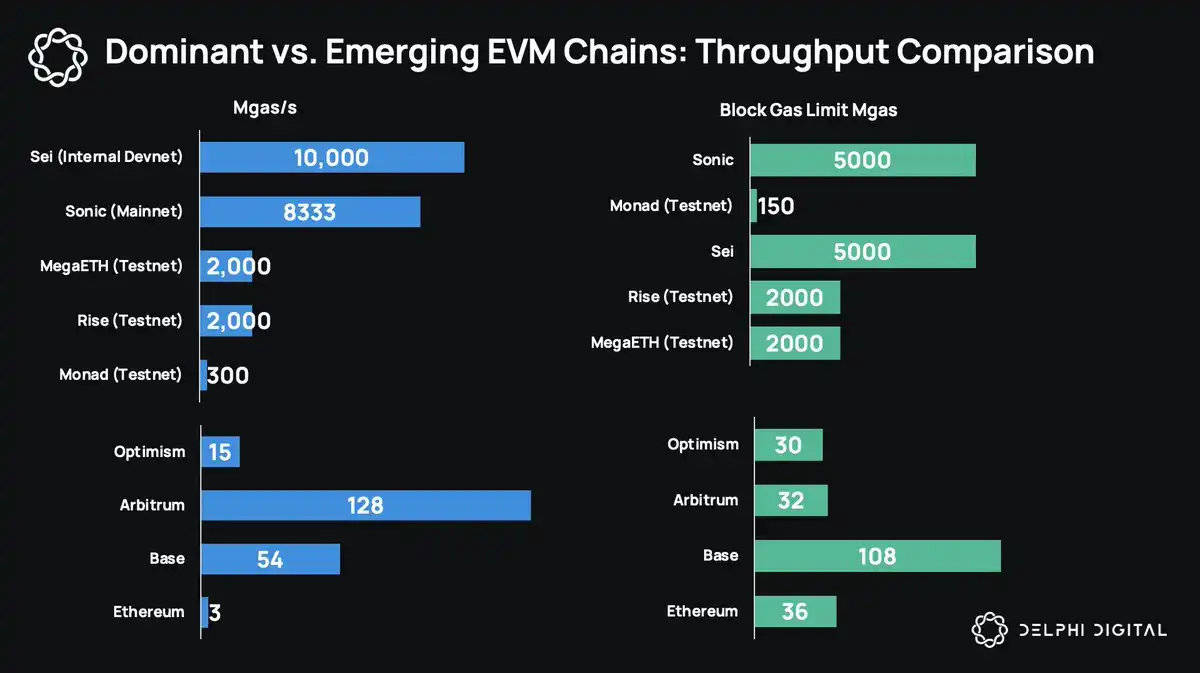
While the market value of these tokens is still to be observed, the current L1 and L2 race has become saturated. With intense competition among chains in terms of liquidity, applications, developers, and users, valuations may show a downward trend.
As gas in the gigabyte range becomes the norm, the real winners will be those that can offer a higher value public chain, including speed advantages, incentive mechanisms, user experience, ecosystem completeness, and security guarantees among other comprehensive strengths. The gigabyte gas war is intensifying, but the ultimate key to victory is by no means limited to raw throughput.
You may also like

Yu Weiwen: Steady Development of Hong Kong's Compliant Stablecoin Ecosystem

After TACO Ceasefire, Iran War is Just on Pause

The 17-Year Mystery Will Be Solved, Who is Satoshi Nakamoto?

5 Minutes to Make AI Your Second Brain

Uniswap is trapped in an innovation dilemma

What is the key to competition in crypto banking?

The flow of stablecoins and the spillover effects in the foreign exchange market

After two years, Hong Kong's first batch of stablecoin licenses finally issued: HSBC, Standard Chartered make the cut
The person who helped TAO rise by 90% has now single-handedly crashed the price again today

3-Minute Guide to Participating in the SpaceX IPO on Bitget

Top 5 Cryptos to Buy in 2026 Q1: A ChatGPT Deep Dive Analysis
Explore the top 5 cryptos to buy in Q1 2026 including BTC, ETH, SOL, TAO, and ONDO. See price outlooks, key narratives, and institutional catalysts shaping the next market move.

How to Earn $15,000 with Idle USDT Before Altcoin Season 2026
Wondering if altcoin season is coming in 2026? Get the latest market update, and learn how to turn your idle stablecoins waiting for entry into extra rewards up to 15,000 USDT.
Can You Win Joker Returns Without Large Trading Volume? 5 Mistakes New Players Make In WEEX Joker Returns Season 2
Can small traders win WEEX Joker Returns 2026 without huge volume? Yes—if you avoid these 5 costly mistakes. Learn how to maximize card draws, use Jokers wisely, and turn small deposits into 15,000 USDT rewards.

Altcoin Season 2026: 4 Stages to Profit (Before the Crowd FOMO In)
Altcoin Season 2026 is starting — discover the 4 key stages of capital rotation (from ETH to PEPE) and how to position before the peak. Learn which tokens will lead each phase and avoid missing the rally.

Will Alt season come in 2026? 5 Tips to Spot the Next 100x Crypto Opportunities
Will altcoin season arrive in 2026? Discover 5 rotation stages, early signals smart traders watch, and the key crypto sectors where the next 100x altcoin opportunities may emerge.

The bear market has arrived, and cryptocurrency ETF issuers are also getting involved

The richest man had a quarrel with his former boss
BTC Firm Above 70K! Saylor’s "Institutional Logic" vs. Moon’s "Retail Faith": Who is Really Harvesting the Market?
Bitcoin is holding firm above the $70,000 support level following a massive short squeeze that liquidated $427 million. As the "Four-Year Cycle" narrative shifts, the market is split: Michael Saylor’s cold, institutional "indiscriminate stacking" vs. Carl Moon’s high-energy retail "hopium." This article decodes these two polar-opposite strategies for the 2026 bull run and reveals how WEEX’s institutional-grade liquidity and AI trading tools empower every type of investor to convert market volatility into profit.


 App
App