
 Buy Crypto
- Markets
 Futures
- Spot
- Copy Trade
- Earn
- More
Solana Surges as Institutional Inflows Drive Market Dynamics

Key Takeaways
- Solana’s price has surged by 3.98% in the last 24 hours, reaching $128.87.
- Institutional interest in Solana’s ETFs has resulted in a net inflow of 319,005 SOL over the past week.
- Solana’s ecosystem is expanding with enhanced infrastructure and growing support for decentralized applications.
- Despite strong fundamentals, the number of validators on Solana has decreased significantly, raising decentralization concerns.
WEEX Crypto News, 29 December 2025
In recent market movements, Solana (SOL) has experienced a significant price uptick of 3.98% in the past 24 hours, with its current price sitting at $128.87. This surge reflects various factors influencing the cryptocurrency’s trajectory, particularly the burgeoning interest from institutional investors and developments within its ecosystem.
Institutional Interest and ETF Growth Propel Solana
A key driver of Solana’s recent price appreciation is the substantial flow of institutional money into the network through its spot ETF offerings. Over the past week, Solana has absorbed a net inflow of approximately 319,005 SOL, translating to $39.24 million. These inflows stand in stark contrast to the net outflows witnessed by Bitcoin and Ethereum ETFs in the same period. Solana’s growing appeal among institutional investors underscores its robust position within the cryptocurrency market, emphasizing its priority in strategic asset allocation.
Remarkably, enterprises such as Upexi and MemeStrategy have capitalized on SEC-facilitated funding opportunities and have collectively amassed over 2 million SOL. This persistent acquisition of SOL by institutional players is applying upward pressure on the asset’s value, suggesting a bullish outlook.
Enhancements in Solana’s Ecosystem Infrastructure
Solana’s ecosystem is witnessing transformative upgrades that could bolster long-term network growth. The introduction of tools like the ConnectorKit wallet SDK and Kora fee relay has lowered barriers to entry for users by supporting full-fee delegation for transactions. This development allows the use of customized fee tokens, including stablecoins, enhancing the user experience and broadening the scope of feasible decentralized applications.
Predictions by industry leaders, such as Multicoin’s Kyle Samani, indicate that by the end of 2026, Solana’s mainnet could compete with major centralized exchanges in terms of trading volume. Additionally, Circle has already facilitated the destruction of 55 billion USDC worth of activities on Solana in 2025, hinting at the network’s burgeoning capabilities in stablecoin transactions.
Analyzing On-Chain Dynamics and Validator Ecosystem
Solana’s on-chain fundamentals reveal notable developments, as evidenced by an all-time high in staked SOL, now reaching 409 million. This not only reinforces network security but also indicates an increase in long-term participation. However, the recent reduction of validator subsidies by the Solana Foundation has led to a drop in validator numbers from 2,500 to 800, igniting debates on decentralization, especially when compared to Ethereum’s over one million validators.
Despite these challenges, Solana is seen as retaining a competitive edge due to its rapid development cycle and efficient upgrade processes. This agility continues to attract developers, which is crucial for expanding the decentralized application ecosystem on Solana.
Market Sentiment and Technical Analysis
Solana’s price remains in a long-term oscillatory phase between $122 and $145. Current technical indicators, such as the RSI, place Solana in a neutral zone at around 40, while the MACD is positioned below the signal line, suggesting caution. On-chain data reveals continuous strategic adjustments by large holders, with significant short positions gradually unwinding, which might set the stage for potential price breakthroughs.
While Solana’s stablecoin ecosystem has encountered short-term liquidity management challenges, interventions by platforms like Solstice have facilitated rapid recoveries. This resilience bolsters market confidence in Solana’s ecosystem solidity.
In conclusion, Solana’s trajectory is shaped by a confluence of institutional engagement and ecosystem enhancements. Although faced with decentralization and technical hurdles, Solana is poised to leverage its core competencies to sustain momentum in an ever-evolving cryptocurrency landscape.
For potential investors interested in exploring opportunities on the WEEX platform, sign up [here](https://www.weex.com/register?vipCode=vrmi).
Frequently Asked Questions
What factors are driving Solana’s recent price increase?
Solana’s price increase is largely driven by significant institutional inflows into its ETFs, robust on-chain activity, and key upgrades in its ecosystem infrastructure that enhance usability and transaction efficiency.
How does Solana’s ecosystem infrastructure benefit users?
The introduction of the ConnectorKit wallet and Kora fee relay reduces transaction costs and supports customizable fees, including stablecoins, making it easier and more cost-effective for users to interact with decentralized applications on Solana.
Why is the number of validators on Solana decreasing, and what are the implications?
The number of validators has decreased due to reduced subsidies, which raises concerns about decentralization. While this reduces centralization risks, having fewer validators compared to networks like Ethereum points to potential vulnerability in terms of network robustness.
How is institutional interest impacting Solana’s market dynamics?
Institutional interest has led to substantial inflows into Solana’s ETFs, which support price stability and growth. This trend underscores increasing confidence in Solana’s long-term viability as an investment.
What are the key challenges facing Solana despite its strong fundamentals?
Challenges include navigating decentralization concerns due to fewer validators and addressing volatility within its stablecoin ecosystem, although efforts have been made to shore up liquidity and maintain market stability.
You may also like
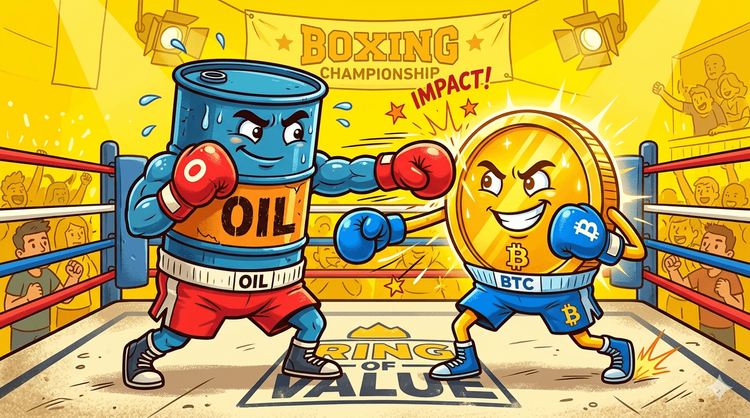
How the US-Iran War Could Affect Oil and Bitcoin Prices (Latest Analysis)
The outbreak of the US-Iran war on February 28, 2026, has provided an unprecedented real-time laboratory for understanding how geopolitical oil shocks interact with an increasingly institutionalized cryptocurrency market. This article examines the relationship between crude oil prices and Bitcoin throughout the conflict, analyzing price movements, correlation patterns, and the underlying transmission mechanisms.

OpenAI Wants to Write Its Own Rules|Rewire News Brief

Chaos Labs Exits, Who Will Pick Up Aave's Risk?
Stealthy Financial War? Iran Collects Strait Transit Fees in Stablecoin

OpenAlice: One Person, That's a Jane Street | Project Overview

The Small-Town Youth Labeling Big AI Models

Morning Report | Strategy increased its holdings by 4,871 BTC last week; Toss plans to develop its own blockchain and issue a native cryptocurrency; OpenAI's CFO privately questioned the timing of the IPO in 2026

Research: Stablecoins have a trading volume of 35 trillion a year, how much of it is real payment?

Galaxy Research: AI agents are giving rise to new species on the blockchain, how zero-human companies activate the financial flywheel

Data Research: How big is the liquidity gap between Hyperliquid and CME crude oil?
Why Are GPU Prices Skyrocketing Out of Control?

How to Master Claude Cowork Completely?

70-Page Confidential Letter Alleges First Charge of 'Lying,' Altman Tells Board 'I Can't Change My Personality'
Is Altcoin Season Starting in 2026? What Traders Should Watch Now
Altcoin season signals are becoming clearer in 2026 as capital rotation across crypto markets accelerates. Here’s what traders should watch and how strategy-based participation is evolving in the current market cycle.
Bitcoin ETF Inflows in 2026: Impact on BTC Price and Crypto Market Trends
Bitcoin ETF inflows are reshaping BTC price trends and crypto market liquidity in 2026. See how institutional capital is influencing volatility, trading behavior, and portfolio allocation strategies across crypto markets.
Visa's Stablecoin Strategy: Cards, Settlement, and the Future

Stock Market Split

How to capture the next Alpha in the narrative of predictive markets?
How the US-Iran War Could Affect Oil and Bitcoin Prices (Latest Analysis)
The outbreak of the US-Iran war on February 28, 2026, has provided an unprecedented real-time laboratory for understanding how geopolitical oil shocks interact with an increasingly institutionalized cryptocurrency market. This article examines the relationship between crude oil prices and Bitcoin throughout the conflict, analyzing price movements, correlation patterns, and the underlying transmission mechanisms.


 App
App