
 Buy Crypto
- Markets
 Futures
- Spot
- Copy Trade
- Earn
- More
Cryptocurrency Exchange Landscape: Navigating Market Dynamics

Key Takeaways
- The cryptocurrency exchange market is evolving with increasing diversity and complexity, posing both opportunities and challenges for investors.
- Regulatory landscapes vary greatly across regions, impacting exchange operations and user engagement.
- Security and transparency remain critical concerns among users, significantly influencing exchange reputation and adoption.
- Innovations in trading technology are shaping the competitive dynamics in the cryptocurrency exchange industry.
WEEX Crypto News, 2025-12-18 15:08:33
The cryptocurrency exchange market is a vibrant ecosystem characterized by rapid evolution and intense competition. As digital assets gain mainstream traction, both seasoned investors and newcomers are confronted with a myriad of exchanges offering diverse services. These exchanges, ranging from centralized behemoths to decentralized platforms, serve as pivotal gateways to the digital currency world. However, navigating this landscape involves understanding the varied offerings, evaluating regulatory changes, and ensuring security.
The Diverse Exchange Ecosystem
The last few years have witnessed a proliferation of cryptocurrency exchanges, each catering to different user needs. Centralized exchanges (CEXs) such as Binance and Coinbase dominate the market, providing liquidity and user-friendly interfaces that appeal to a broad audience. These platforms typically offer advanced trading features, including margin trading and futures markets, which are attractive to professional traders.
Conversely, decentralized exchanges (DEXs) prioritize user autonomy and privacy, operating on blockchain protocols without central authority. Platforms like Uniswap and SushiSwap allow users to trade directly from their wallets, reducing the reliance on custody services offered by CEXs. DEXs are celebrated for their innovation, notably in liquidity provision through automated market makers (AMMs), yet they often challenge users with less intuitive interfaces and lower liquidity than their centralized counterparts.
Regulatory Dynamics
Regulation is a crucial factor in the cryptocurrency industry, affecting how exchanges operate globally. Different regions have adopted varied regulatory approaches, influencing the development and location of exchange services. The United States, with its strict regulatory framework, emphasizes compliance with securities laws, compelling exchanges to acquire appropriate licenses and conduct KYC (know your customer) procedures. This oversight can enhance security but may deter privacy-focused users.
In contrast, jurisdictions such as Malta and Singapore have positioned themselves as crypto-friendly havens with conducive regulatory environments that encourage innovation. Exchanges operating in these regions benefit from clearer regulatory guidelines and often enjoy more operational flexibility. However, the lack of a universal regulatory standard poses challenges for exchanges looking to offer services across multiple regions.
Security: A Central Concern
Security remains a paramount concern in the cryptocurrency space. High-profile hacks and fraud cases have prompted exchanges to bolster their security measures to protect user funds and data. Centralized exchanges usually maintain large insurance funds and implement robust security protocols, including cold storage and two-factor authentication, to build user trust.
Decentralized exchanges, while inherently reducing counterparty risk by eliminating a central authority, face their own security challenges, such as vulnerabilities in smart contracts. The rise of decentralized finance (DeFi) has further illuminated these vulnerabilities, with incidents of smart contract exploits underscoring the need for rigorous code audits and security enhancements.
Technological Advances and Market Innovations
The landscape of cryptocurrency exchanges is continually shaped by technological advancements and market innovations. Technologies such as artificial intelligence and machine learning are being integrated into trading algorithms, offering users enhanced trading strategies and predictive analytics. Additionally, the deployment of blockchain-based solutions like these in trade settlement and record-keeping significantly enhances transparency and traceability.
One of the most significant innovations has been the emergence of tokenized assets, allowing exchanges to list products representing physical assets, stocks, or even real estate. This expansion opens new avenues for diversification and investment, paving the way for further adoption of cryptocurrencies in traditional financial markets.
User Engagement and Market Expansion
As exchanges expand their features and services, user engagement remains a critical focus. Providing a seamless user experience through intuitive interfaces and comprehensive educational resources is essential for onboarding new users. Engaging user communities through social media, forums, and live events can also foster loyalty and participation.
Furthermore, exchanges are increasingly exploring gamification elements and reward systems to attract and retain users. These features, such as loyalty programs and trading competitions, enhance user engagement and motivate investors to explore various trading opportunities.
Navigating the Future
Predicting the future of cryptocurrency exchanges requires understanding several key trends. The integration of decentralized finance (DeFi) features in traditional exchanges is likely to continue, blending the strengths of both centralized and decentralized models. Additionally, as regulatory clarity improves globally, exchanges may have more freedom to innovate while protecting user interests.
The role of institutional investors in shaping the market cannot be understated. Their participation brings liquidity and stability, encouraging retail investors to also engage in cryptocurrency markets. As more financial institutions integrate crypto assets into their portfolios, the adoption of cryptocurrency exchanges is poised to increase, further solidifying their place in the financial ecosystem.
Brand Alignment and Market Identity
Establishing a robust brand identity is crucial for exchanges seeking to distinguish themselves in a competitive market. Exchanges like WEEX focus on enhancing security, transparency, and user experience to build trust and loyalty among users. By aligning brand values with user priorities, such as securing transactions and providing reliable support, exchanges can better position themselves for long-term success.
Moreover, strategic partnerships and collaborations with other fintech companies and blockchain projects can further bolster an exchange’s reputation and service offerings. By participating in industry forums and thought leadership activities, exchanges can contribute to shaping the broader narrative around digital assets and their role in future financial landscapes.
In conclusion, navigating the cryptocurrency exchange market requires a comprehensive understanding of the diverse ecosystem, regulatory environments, and technological innovations. As exchanges continue to evolve and compete, users are presented with more choices and opportunities to engage with digital assets. The future of cryptocurrency trading remains bright, with exchanges playing a central role in bridging the gap between traditional finance and the emerging digital economy.
FAQs
What are the main differences between centralized and decentralized exchanges?
Centralized exchanges (CEXs) are managed by a single organization that controls user deposits and transactions, providing high liquidity and advanced trading features, but requiring user trust. Decentralized exchanges (DEXs), on the other hand, allow trades directly between users, prioritizing privacy and user control but often facing challenges with liquidity and user interface complexity.
How do regulatory changes impact cryptocurrency exchanges?
Regulatory changes can significantly affect how exchanges operate by imposing requirements for licenses, compliance procedures like KYC, and securities law adherence. These changes can enhance user protection but may also limit operational flexibility. Different regions have varying regulatory approaches, influencing where exchanges choose to operate and their service offerings.
How do exchanges ensure the security of user funds?
Exchanges invest in various security measures, including cold storage of funds, two-factor authentication, and regular security audits. Centralized exchanges might maintain insurance funds to compensate users in case of a breach, while decentralized exchanges focus on secure smart contract operations and code audits to prevent exploits.
What technological innovations are shaping the future of cryptocurrency exchanges?
Technological innovations such as AI-driven trading algorithms and blockchain-enabled transparency are revolutionizing exchange operations. The development of tokenized assets and the integration of DeFi features into traditional exchanges are expanding the range of services and products available, attracting a broader user base.
How can users engage with cryptocurrency exchanges effectively?
Users can engage effectively by utilizing the educational resources provided by exchanges to understand trading strategies and market dynamics. Participating in community forums, following social media channels, and exploring engagement tools like gamified features can enhance user experience and provide valuable insights into market trends.
You may also like

SIREN Coin Dump: Volatility and Price Collapse Explained
The SIREN coin has grabbed headlines recently with its sharp price swings, including a dramatic dump that erased…

SIREN Coin Dump: Price Collapse and Market Risks Explained
SIREN coin has grabbed headlines recently with its sharp price swings, including a dramatic dump that wiped out…
Is VDOR Expected to Hit $0.10 by May 2026? Price Outlook
Vanguard Digital Oil Reserve (VDOR) has caught attention in the crypto space with its unique tie to real-world…

What Is the All Time High of Siren Coin? Full Price Breakdown
Siren Coin has caught the eye of many in the crypto space lately, especially with its wild price…

SIREN Coin Price Prediction & Forecasts for April 2026: Can It Rebound After a Slight Dip?
As of April 7, 2026, the live SIREN Coin price stands at $0.595944 USD, according to CoinMarketCap data.…

Is VDOR Expected to Hit $0.10 by 2030? Expert Forecast
Vanguard Digital Oil Reserve, or VDOR, has caught attention in the crypto space with its unique tie to…

What Is Russian Oil Asset Reserve (ROAR) and How Does It Work? Price, Tokenomics, and Risks Explained
What is Russian Oil Asset Reserve (ROAR)? Learn how this Solana Token-2022 works, its official tokenomics, staking, governance, burn mechanism, live market data, and key risks before trading ROAR.
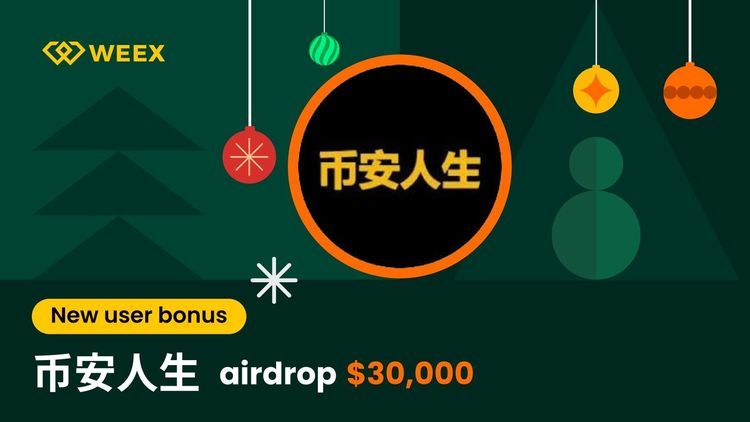
币安人生 Airdrop 2026: Share 30,000 USDT
币安人生 airdrop 2026: Win 30,000 USDT on WEEX. Holding rewards, profit challenge & loss protection. New users only. April 6-13.
Sentio ($ST) USDT Premiere on WEEX: AI-Native Token
Sentio ($ST) is building the decentralized data and computer network — the foundational observability and infrastructure layer for the next generation of autonomous finance.

What Is Russian Oil Asset Reserve (ROAR)? ROAR Price Prediction 2026-2030
What is Russian Oil Asset Reserve (ROAR)? A Solana meme coin riding the energy narrative. Learn tokenomics, price prediction 2026-2030, and risks
Introducing Sentio ($ST): Protocol Updates and Price Prediction
Sentio is building the next-generation infrastructure for crypto data, purpose-built for the speed, scale, and complexity of modern blockchain use cases. $ST has hit everyone’s attention recently.
WEEX Earn Invitation Festival: 300% APR for Friends, Plus Top-Up Rewards

WEEX Earn Invitation Festival: Unlimited 300% APR per Friend – Built for KOLs & Community Leaders
USDT Earn Festival 2026: Stake USDT & Get 5U Bonus per 1,000U + 300% APR Invite Rewards

WEEX Earn Festival: Stable USDT Returns & Low Risk – Top-Up and Invitation Rewards

WEEX Earn Festival: Start Small, Earn Big – 5U per 1,000U Top-Up & 300% APR Invite Rewards

WEEX Earn Top-Up Festival: Get 5U per 1,000U, Invite Friends for 300% APR
WEEX Earn Top-Up Festival: Get 5U per 1,000U, Invite Friends for 300% APR
Tokenized Oil Crypto 2026: What It Is and How to Buy Oil-Backed RWAs
What is tokenized oil crypto? Learn how oil-backed RWAs work, how to buy tokenized oil, and the risks and potential of this emerging asset class in 2026.
SIREN Coin Dump: Volatility and Price Collapse Explained
The SIREN coin has grabbed headlines recently with its sharp price swings, including a dramatic dump that erased…
SIREN Coin Dump: Price Collapse and Market Risks Explained
SIREN coin has grabbed headlines recently with its sharp price swings, including a dramatic dump that wiped out…
Is VDOR Expected to Hit $0.10 by May 2026? Price Outlook
Vanguard Digital Oil Reserve (VDOR) has caught attention in the crypto space with its unique tie to real-world…
What Is the All Time High of Siren Coin? Full Price Breakdown
Siren Coin has caught the eye of many in the crypto space lately, especially with its wild price…
SIREN Coin Price Prediction & Forecasts for April 2026: Can It Rebound After a Slight Dip?
As of April 7, 2026, the live SIREN Coin price stands at $0.595944 USD, according to CoinMarketCap data.…
Is VDOR Expected to Hit $0.10 by 2030? Expert Forecast
Vanguard Digital Oil Reserve, or VDOR, has caught attention in the crypto space with its unique tie to…


 App
App